“From pub tables to small-town stores, Kingfisher beer influences India’s drinking culture. But in 2025, its story goes beyond taste. It also involves pricing, policies, and the feelings of a changing nation.”
The Legacy of Kingfisher Beer
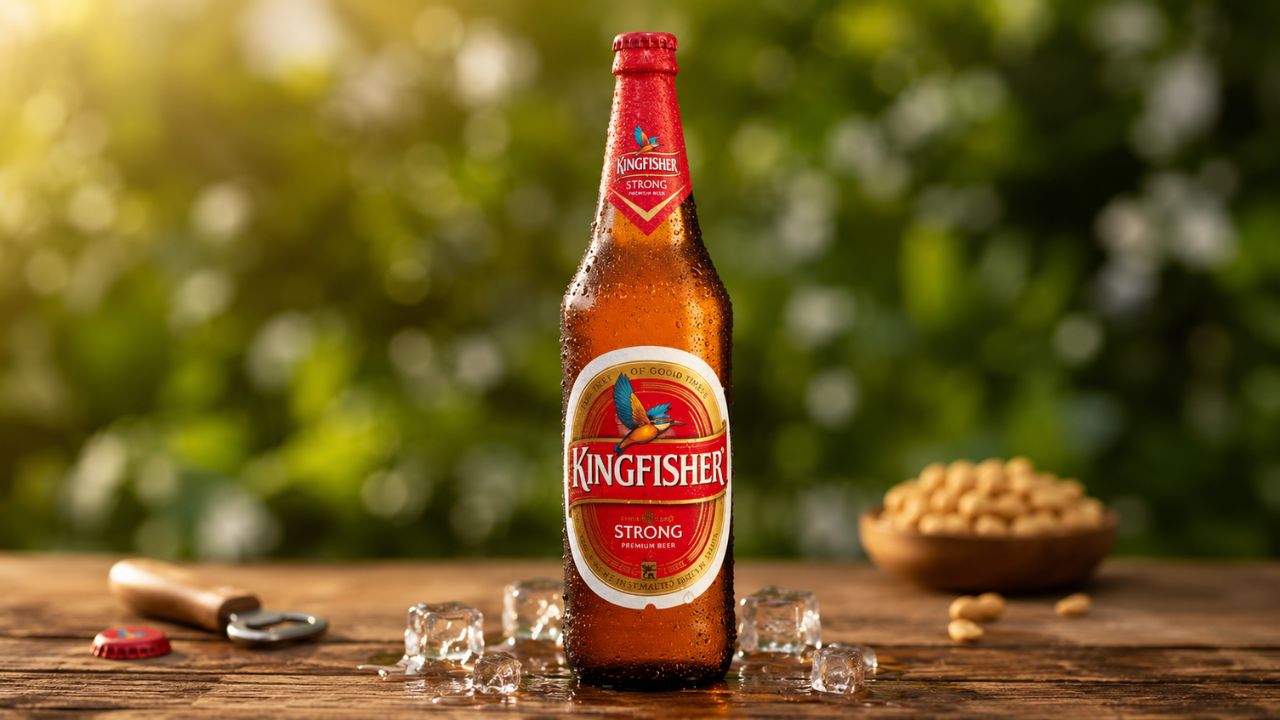
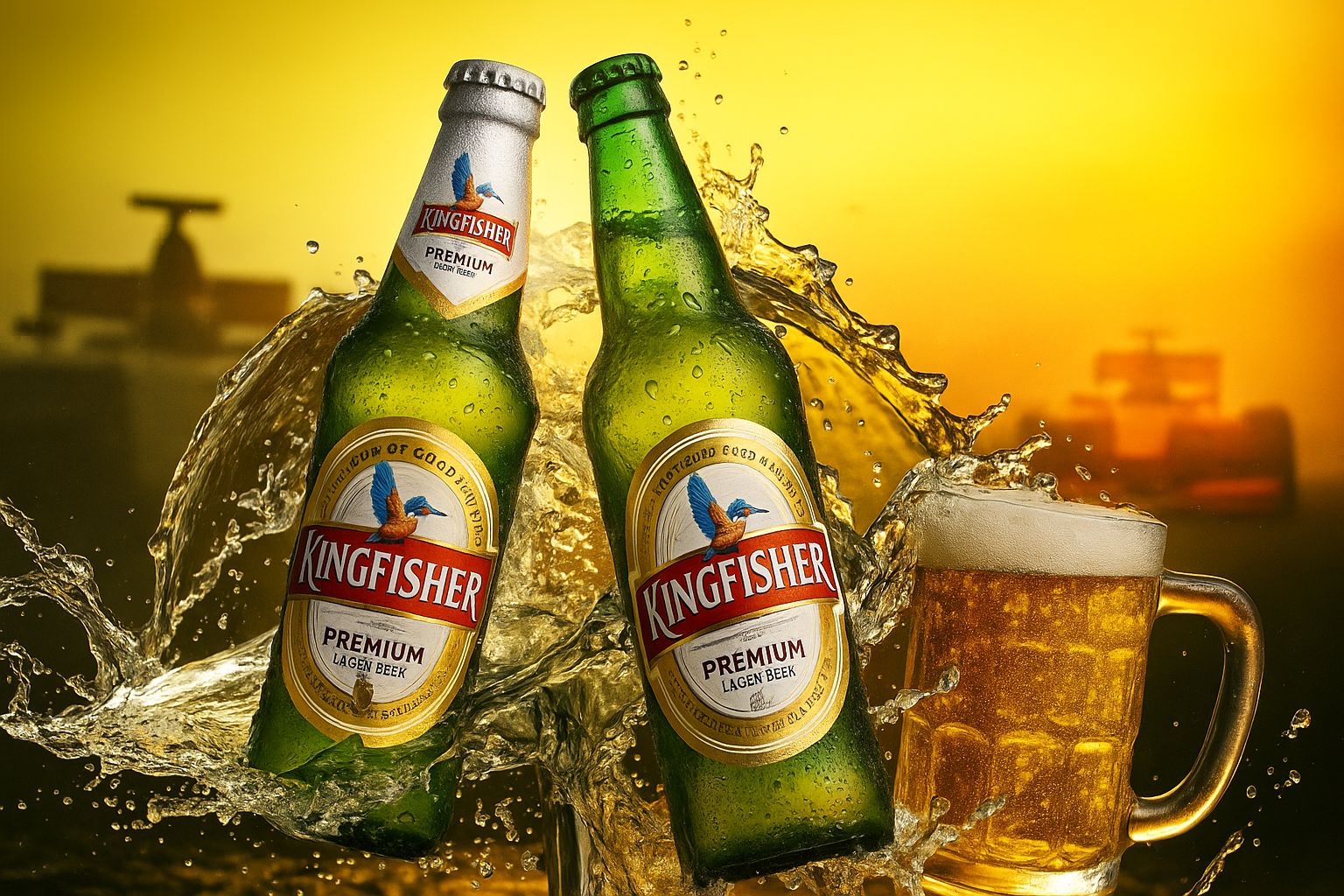
For more than fifty years, Kingfisher Beer has represented casual celebration and Indian brewing pride. Owned by United Breweries Limited (UBL), which is now part of Heineken N.V., one of the world’s largest beer companies, Kingfisher has grown from a simple lager to a diverse range. This includes Kingfisher Premium, Kingfisher Strong, Kingfisher Ultra, and Kingfisher Ultra Max.
The brand’s tagline, “The King of Good Times,” is more than just marketing. It reflects the essence of India’s social life. Whether it’s for a cricket match, a beach outing, or a house party, a chilled Kingfisher often makes its way to the table.
Kingfisher Beer Price in India (750ml, 2025)
Beer prices in India vary because each state has its own liquor policy. This policy affects the cost of alcohol directly. You might find a bottle of Kingfisher Premium 750ml for ₹150 in one city, but it might be ₹200 in another.
Here’s a breakdown of Kingfisher Beer 750ml prices in India by state, based on 2025 estimates and retail averages from MadiraPrice and other market data:
| State / City | Kingfisher Premium 750ml | Kingfisher Strong 750ml | Kingfisher Ultra 750ml |
| Delhi | ₹150 | ₹170 | ₹200 |
| Mumbai (Maharashtra) | ₹160 | ₹180 | ₹210 |
| Kolkata (West Bengal) | ₹145 | ₹165 | ₹195 |
| Bengaluru (Karnataka) | ₹155 | ₹175 | ₹205 |
| Hyderabad (Telangana) | ₹160 | ₹185 | ₹210 |
| Chennai (Tamil Nadu) | ₹170 | ₹190 | ₹220 |
| Goa | ₹140 | ₹160 | ₹190 |
| Punjab | ₹150 | ₹170 | ₹200 |
| Rajasthan | ₹155 | ₹175 | ₹205 |
| Kerala | ₹165 | ₹185 | ₹215 |
Average retail estimates as of November 2025. Prices may change because of excise updates and supply conditions.
The Past: How Kingfisher Built Its Price and Popularity
Kingfisher began its journey in 1978 when United Breweries launched it as India’s first truly national beer brand. During the 1980s and 1990s, when imported beers were a rare luxury, Kingfisher became known as a symbol of “beer” itself.
At that time, the price of Kingfisher Premium (650ml) was about ₹25 to ₹30, making it easy for the growing middle class to buy. By the early 2000s, the brand added stronger versions to attract Indian customers who preferred higher alcohol content.
Kingfisher’s pricing strategy kept it affordable while making it something people aspired to. This method helped it capture over 70% of India’s beer market at one point. However, competition ramped up quickly, with rivals like Budweiser, Carlsberg, Bira, and TKingfisher began its journey in 1978 when United Breweries launched it as India’s first truly national beer brand. During the 1980s and 1990s, when imported beers were a rare luxury, Kingfisher became known as a symbol of “beer” itself.
At that time, the price of Kingfisher Premium (650ml) was about ₹25 to ₹30, making it easy for the growing middle class to buy. By the early 2000s, the brand added stronger versions to attract Indian customers who preferred higher alcohol content.
Kingfisher’s pricing strategy kept it affordable while making it something people aspired to. This method helped it capture over 70% of India’s beer market at one point. However, competition ramped up quickly, with rivals like Budweiser, Carlsberg, Bira, and Tuborg coming into the market.
The Present: Price Hikes, State Taxes, and Supply Issues
Fast forward to 2025, and the Kingfisher price tells a more complicated story.
In January 2025, United Breweries faced a price dispute in Telangana. Government authorities delayed approval for a change in the excise price. This led to beer rationing in retail outlets. Yes, rationing. Breweries held back supply because of the pricing disagreements.
Consumers found themselves in long lines or faced empty shelves. The dispute wasn’t about supply chain issues or raw material shortages; it was about state price regulation. United Breweries wanted higher prices to cover rising production and transportation costs, but state authorities were slow to approve it.
The result is that Hyderabad and nearby areas experienced a shortage of Kingfisher for weeks. This increased demand in black markets. The situation showed how India’s complicated alcohol tax system causes frequent pricing instability.
At the same time, in other major cities like Mumbai, Delhi, and Bengaluru, prices have gone up by about 5-10% each year due to inflation and changes in excise. Despite this, Kingfisher still stands out as one of the most affordable premium beers.
The Market: Kingfisher’s Pricing Strategy in a Changing India
Kingfisher has learned how to balance high-quality products with low prices. The company splits its offerings into different segments:
| Variant | Market Position | Target Audience | Price Range (750ml) |
| Kingfisher Premium | Entry-level lager | Young adults, budget drinkers | ₹140–₹160 |
| Kingfisher Strong | High ABV drinkers | Tier-2 & Tier-3 markets | ₹160–₹190 |
| Kingfisher Ultra | Urban professionals | Metro and premium retail | ₹190–₹220 |
| Kingfisher Ultra Max | Luxury category | Bars, lounges, upscale buyers | ₹200–₹250 |
This segmentation keeps Kingfisher strong across different consumer groups, from casual college drinkers to experienced professionals at upscale bars.
The Future: Sustainability, Expansion, and Price Predictions
The future price of Kingfisher Beer in India relies on two main factors: excise reforms and sustainability goals.
- Excise Reform Outlook : The Indian government is looking into alcohol taxation systems.If excise duties are adjusted, beer could become cheaper compared to hard liquor. Right now, beer faces high taxes, making it nearly as expensive as spirits per unit of alcohol. Industry experts believe a unified GST or national alcohol policy could be introduced in the coming years. This would reduce pricing differences between states.
- Production Costs & Global Strategy: Heineken, which owns a 61.5% share in United Breweries, is focused on improving efficiency.We can expect eco-friendly brewing plants, renewable energy projects, and local barley sourcing to help lower costs in India. These sustainability efforts may stabilize production costs and keep prices competitive, even with inflation.
- Demand Surge Post-2024: After the pandemic, India’s beer market is recovering strongly, growing 8 to 10% each year. Younger drinkers prefer lighter alcoholic options, and beer fits that trend well. Kingfisher, given its strong ties to Indian culture, is in a good position to benefit.
However, future price trends will depend on the costs of raw materials like malt, glass, and energy. Changes in government excise will also play a role.Most analysts expect a 3 to 5% annual price rise for Kingfisher 750ml through 2026, with prices stabilizing afterward.
Kingfisher's Growth and Brand Changes
To stay ahead, United Breweries has embraced modernization. The brand has:
- Expanded premium lines like Kingfisher Ultra Max and Radler (non-alcoholic).
- Partnered with global suppliers for sustainable packaging.
- Invested in brewery automation to reduce waste and carbon output.
- Revived Kingfisher Calendar and lifestyle branding campaigns to connect with young audiences.
As of 2025, Kingfisher exports to over 70 countries, including the UK, UAE, Singapore, and South Africa. Yet, India remains its home turf, making up more than 80% of global Kingfisher sales.
Price Comparison: Kingfisher vs Competitors (2025)
| Brand (750ml) | Average Price (INR) | Origin | Category |
| Kingfisher Premium | ₹150 | India | Mainstream Lager |
| Budweiser Premium | ₹180 | USA | Premium Lager |
| Carlsberg Smooth | ₹175 | Denmark | International Lager |
| Bira 91 Blonde | ₹190 | India | Craft Lager |
| Tuborg Strong | ₹170 | Denmark | Strong Lager |
Kingfisher is a leader in the value-for-money category. It offers a blend of quality, familiarity, and affordable prices. This positions it as a strong competitor against both imported and local brands.
Forecast: The Next Chapter for Kingfisher Beer Price in India
Looking forward, Kingfisher’s pricing strategy appears to focus on:
- Slight annual price changes to manage rising costs.
- Adjusting prices based on each state to maintain consistency.
- Product diversification with non-alcoholic and craft options.
- Improved retail experiences, including taprooms and beer festivals.
If India changes its excise system or introduces national standardization, we could see a 5 to 10% drop in retail beer prices. This would make Kingfisher even more affordable for the masses.
Quick Facts: Kingfisher Beer in India 2025
| Attribute | Detail |
| Brand Owner | United Breweries Limited (Heineken Group) |
| Origin | India |
| Established | 1978 |
| Price Range (750ml) | ₹140 – ₹220 |
| Popular Variants | Premium, Strong, Ultra, Ultra Max |
| Market Share | ~45% of India’s beer market |
| Annual Growth (2024–25) | 8–10% |
| Key Markets | Delhi, Mumbai, Bengaluru, Hyderabad, Goa |
“Despite rising prices and regulatory issues, Kingfisher Beer is still India’s top beer brand. It isn’t just a drink. It’s a legacy in a bottle. Every sip tells a story of changing times, evolving tastes, and a brand that constantly reinvents itself while staying true to its roots.
Whether it’s a student’s first beer or an old friend’s nostalgic favorite, Kingfisher is the top choice across generations. In 2025, with stable prices and growing demand, the King of Good Times still holds the crown.”