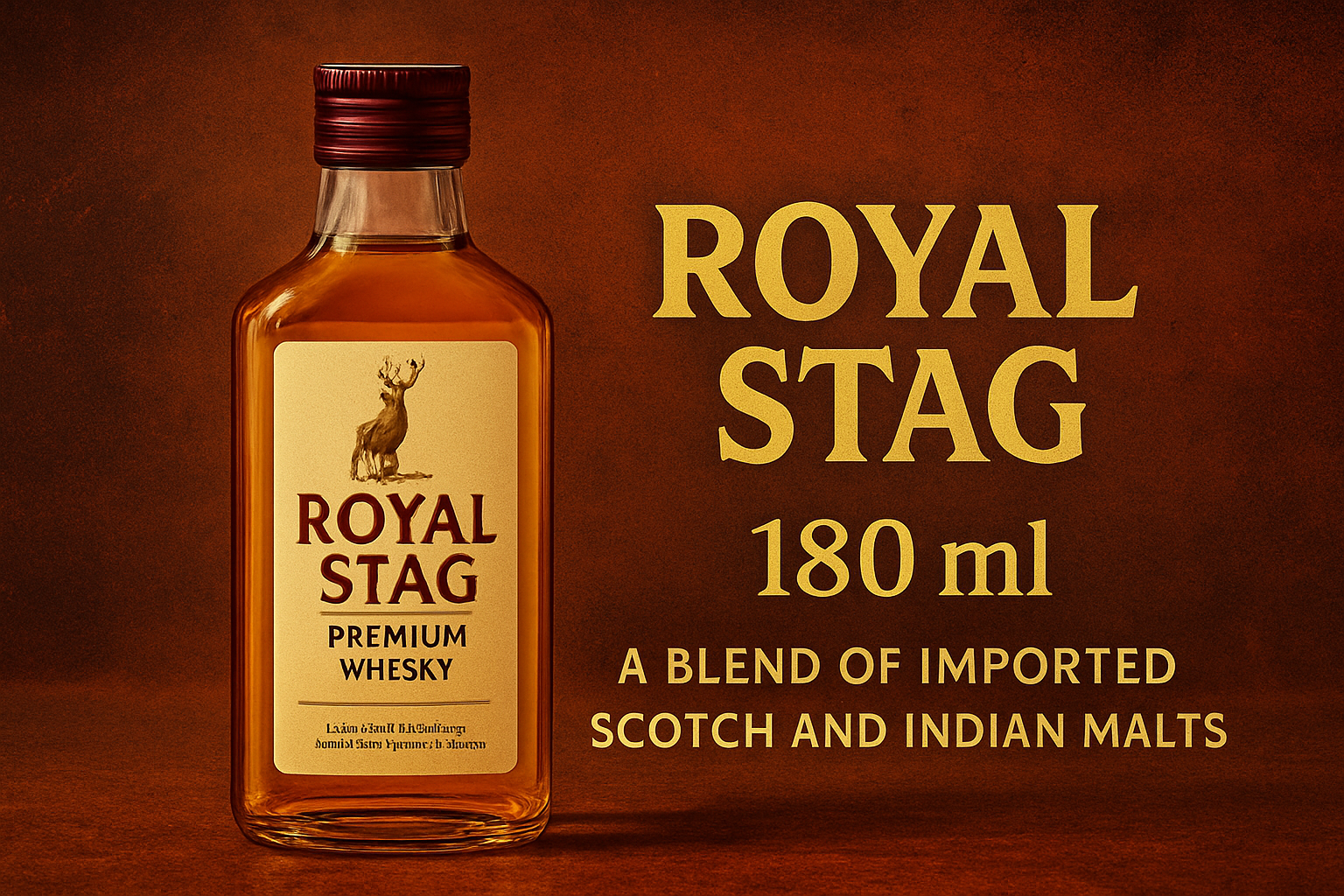
“Royal Stag has held a major spot among whisky brands in India for over 20 years now. It draws in people from cities and villages alike. Folks view it as a solid choice, one thats smooth and reliable every time. The brand fits nicely into that mid-premium range. You can find it without much hassle, yet it lifts the whole drinking moment up a notch. Sales of the 180ml box pack reach huge numbers across the country. In a way, its pricing reflects the broader trends in Indias whisky scene.”
The Indian liquor market changes in all sorts of ways over time. State taxes adjust every year without fail. Retail margins shift around pretty regularly too. Trends pushing toward premium products show how consumer tastes keep evolving. All these factors make it crucial to follow pricing patterns for something popular like the 180ml Royal Stag. That approach really helps gauge the market's current state and spot what could happen down the line. Plus, the 180ml size matters a lot when it comes to buyer decisions. It remains affordable and easy to grab. Folks can try the whisky without committing to a full bottle. In many places, this size brings in the most store traffic. It also helps create reliable repeat business.
This study details the pricing for Royal Stag 180ml across India. It covers the historical changes in pricing for the brand. Prices have shifted over the years because of different influences. Current prices differ a lot from state to state right now. Some regions face higher costs from local regulations. Excise duties and taxes shape those variations in a major way.
A Brief Look Back: Royal Stag's Path to Market Domination
When Royal Stag first entered the Indian whisky market in the last one or two years of the 1990s, it did create a stir. During the period, the realm of IMFL whiskies was dominated by cheap brands characterized by their robust aroma and assertive grain spirit components. Pernod Ricard came up with a new idea: mixing imported Scotch malts and Indian grain spirit to make it more affordable. Customers reacted right away.
The company gained notoriety for:
- Communication that is confident and clear.
- Youth-focused advertising.
- Relationship to entertainment and sports.
- "Make It Big" placement.
Royal Stag became a substantial premium brand without losing affordability. Royal Stag remained budget-friendly and easy-going, in contrast to specialist luxury malts. The brand has grown over time to include variations like:
- Deluxe Royal Stag.
- The Royal Stag Barrel Selection.
- Limited Editions with Royal Stag Mega Premium.
Every version was appealing and assured the brand found a place at multiple price points.
For decades, the brand continued to grow, which made Royal Stag one of the highest-selling whisky brands in India.
Cost of Royal Stag 180ml in India: Current Market Situation
Because of alcohol being state taxed rather than federal tax in India, Royal Stag does not have any one uniform price across the country. Each state decides its own margin rules, transportation cost structures, license fees, and excise taxes. In other words, if you buy a bottle of Royal Stag in any part of India, prices will vary a lot in different parts of India.
The average price ranges for the 180ml pack are as follows, as per the combined research from liquor-pricing portals and retail references.
The price for 180 ml is ₹160 to ₹300.
The difference is due to state taxes, distributor fees, and retail competition.
Here are a few examples, state by state, of the prices you could be looking at.
| State | Approx. 180ml Price |
| Delhi | ₹145–₹165 |
| Uttar Pradesh | ₹180–₹220 |
| Karnataka | ₹200–₹250 |
| Tamil Nadu | ₹220–₹260 |
| Rajasthan | ₹180–₹230 |
| West Bengal | ₹170–₹210 |
| Maharashtra | ₹220–₹270 |
| Kerala | ₹260–₹300 |
These numbers change every couple of months depending upon retail, distributor pricing and excise legislation. Royal Stag 180ml's high sales volume is a strong indication of the consumer's mood as it does so well. In cities and mid-tier towns, footfalls tend to shift with lower price hikes or drops.
The Impact of Taxes on Pricing Variations
In India, the liquor tax system is inconsistent. Each state handles:
- - Excise regulations
- - VAT or similar taxes
- - Fees for label registration
- - Transportation duties
- - Retail and wholesale licensing
Because of this, the same whisky can cost between ₹80 and ₹120 for a 180ml bottle in different states. Any change to the tax structure is quickly reflected in the maximum retail price (MRP). For example:
When a state increases its excise tax by 15%, retail prices rise immediately.
If a state lowers or subsidizes excise, whisky MRPs decrease, leading to higher sales. In many states, liquor taxes are a major source of revenue for the government. Governments often raise excise taxes during economic downturns. Some states might lower pricing pressure temporarily during elections or tourism campaigns. Therefore, the pricing of Royal Stag not only shows the brand strategy but also reflects broader financial decisions in each area.
The Significance of 180ml: The Reasons This Pack Sells More
In India, people tend to prefer the 180ml pack more than any other size. A few key reasons push this along. It lowers the cost to get started with something new. The size fits right for someone drinking on their own. Buying and carrying it comes easy enough. It works well for smaller get-togethers with close friends. Overall, it costs less than the 375 or 750 milliliter options out there. That setup shows what folks call an affordable premium choice. On top of that, the 180ml acts like a steady price point in places with daily wage workers and growing economies. Take this example for a closer look. In stores aimed at higher earners, bumping the 750ml price by Rs 80 probably will not shift how customers act much. Things change in everyday mass market spots, though. A rise of just Rs 8 to Rs 12 on the 180ml pack can shake up weekly buying patterns pretty quick. All in all, the 180ml bottle keeps India's consumer whisky market alive and kicking.
Flavor Profile: The Reasons Why Customers Keep Choosing Royal Stag
Taste constancy really formed the basis for Royal Stags fame over the years. Customers do not often run into much flavor variation when they try millions of bottles from thousands of different retail spots. The company holds onto a steady profile built around a few key elements. It starts with a warm silky malt foundation that feels smooth. Then there is the clean grain spirit structure holding it all together. They add an imported Scotch malt infusion for depth. The scent brings in caramel and vanilla notes that stand out. Subtle woodsy undertones linger in the background. The finish comes well balanced without any harsh burn at the end.
Royal Stags flavor profile works well for several ways to enjoy it. People drink it straight without anything else. It handles dilution with water just fine. Soda mix turns out smooth when paired right. Cold mixers keep things refreshing overall. It fits into various drinks people make at home.
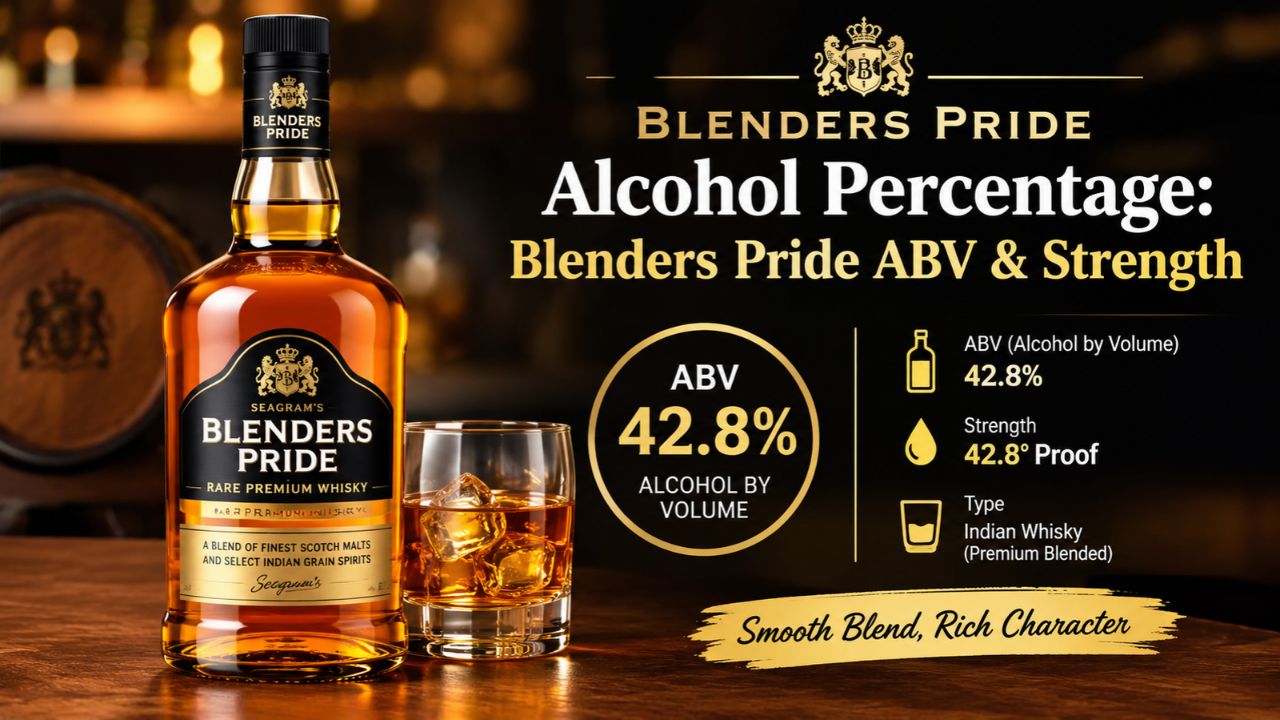
Indian whisky drinkers usually go for something with medium body and a punch that stands out but does not overpower everything. The 42.8 percent ABV satisfies that preference pretty much exactly.
Changes and Positioning
Royal Stag relies on more than just a single product to keep going. The brand uses a smart variant approach that lets it play in different price ranges pretty much across the board.
Take Royal Stag Deluxe for starters. This one acts as the main product that really set things up from the beginning. A lot of the sales in the 180ml size come straight from this version. It fits right in the middle ground between everyday mass-market whisky and those step-up premium choices.
People often bring up Royal Stag Barrel Select as another choice. This particular version strikes you as more refined and robust overall. That comes from the barrel aging process. It adds a unique quality that sets it apart. It targets people who want extra layers of texture and deeper flavors. All that happens without pushing into those really high-end price spots that feel out of reach.
The Mega Premium and Limited Editions show up now and then too. They appeal to folks chasing a bit more exclusivity.
Buyer Decisions and Market Activity
Data from various retail areas points to a handful of consumer patterns. Younger city drinkers who want some class without spending too much go for Barrel Select. Royal Stag Deluxe brings solid value along with a taste thats straightforward and familiar. That keeps steady customers sticking around. It shows up most in those mid level cities. The 180ml sizing is used primarily by people, travelers, working professionals and late-night retail shoppers.
Loyalty is really important. Most of the Indian whisky customers get attached to the brand for a long period unless the prices increase or the stocks run out.Unlike vodka and rum, where people often try new brands, whisky drinkers tend to stick with their preferred brand. That behavior is very advantageous to Royal Stag.
Competitive Market Environment
Royal Stag faces competition from don whisky brands like Johnnie Walker and whiskey brands like Royal Challenge:
- Blenders Pride
- McDowell's top.
- The Imperial Blue.
- Officer's Selection.
- The Royal Green.
- 8 p.m.
- Ancient times.
Despite being priced higher than some competitors, Royal Stag reigns supreme:
- Consistency in marketing.
- Long-term confidence in a brand.
- Positioning of imported malt.
- Taste structure that is smooth.
- A premium appearance without a premium cost.
Many mid-market whisky brands struggled to grow or find a balance between flavor and price. Royal Stag managed to stay modern while not losing price-conscious consumers. After more than 20 years, the balance makes it current till today.
The Retail Setting and How It Affects Pricing
There are multiple levels to the Indian liquor industry:
- Producer.
- State depot or C&F agent.
- Distributor.
- Retail wholesale.
- Shops that sell licenses.
- Restaurants, bars, and service establishments.
Margins stack at every level. The 180ml Royal Stag bottle is the same but costs a lot more in markets with high distribution costs. Retail is also influenced by political decisions: Open licensing reduces costs and boosts competitiveness.
Corporate monopolies increase prices and empower monopolization of distribution channels. Retailers have an impact on customer preference as well. Brands are pushed forward by high-quality displays, tasting feedback, and shelf space. Royal Stag invests heavily to ensure good visibility, especially in modern retail.
The Current Market (2025)
Royal Stag is in a good position in the year 2025. People are asking for it all over the country. The brand continues to gain from premiumization. Royal Stag has ensured it outruns the competition posed by craft whisky and new local distilleries due to:
- Customers have faith in the brand.
- In India, availability is high.
- Taste is consistent with expectations.
- In most states, prices remain competitive.
According to market analysts, the growth of mid-premium whisky industry to be faster than cheaper IMFL brands. When customers’ income levels rise, they shift from cheap whisky to better blends. Royal Stag is positioned at the perfect intersection of quality and affordability.
Prospects for the Future: What's Next
A variety of market trends will influence the demand and pricing of Royal Stag.
- Increased State Taxes: Liquor taxes contribute funds to several states’ coffers. There may be more hikes in excise taxes. If this happens, 180ml costs could increase by ₹10 to ₹30 in some states.
- Momentum of Premiumization: Indian consumers are opting for better mixes instead of economic whisky. This implies:
- Barrel Select might expand more quickly.
- Limited Editions might become increasingly popular.
- Mass marketing may give way to premium lifestyle messaging.
- Competition in the Region: India is also home to new regional distilleries with modern branding. They generate rivalry but they also assist in the growth of the market. Royal Stag benefits from strong brand equity leading to brand popularity.
- Demand from Modern Retail: Supermarkets, premium bars, and online ordering systems seek uniform packaging and quality and stock assurance. Royal Stag has already done well here, which gives it greater scalability in urban and Tier-2 markets.
- Innovation: The Indian whisky drinker is changing. Young people want new flavors, seasonal products, and curated aging. If Royal Stag launches fresh expressions, further cementing its leadership.
“Royal Stag 180ml is still one of the most important whisky SKUs in India. It bridges the gap between high appeal and affordability while maintaining a consistent taste and being distributed throughout India. Beyond brand strategy, Royal Stag's pricing reflects the complex state-by-state excise system that defines the Indian alcohol market.
In order to encourage brand attachment and repeat purchases, the 180ml pack is crucial. Customers trust Royal Stag because it provides consistent taste, good value, and a premium identity without going over budget.
As India develops toward increased disposable income, better retail infrastructure, and shifting consumer preferences, Royal Stag is ready to compete. Although demand is steady and growing, state-by-state price fluctuations will continue.”